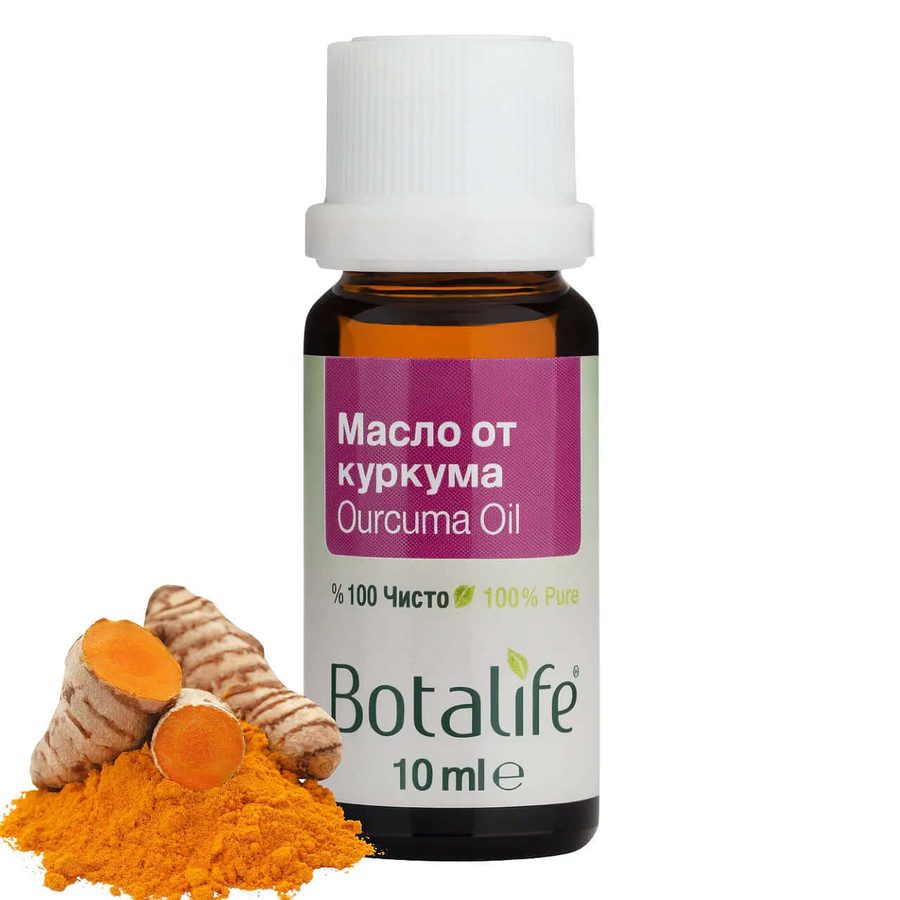
Turmeric essential oil, 10 ml
13.80 €
13.80 €
100% pure turmeric essential oil
/Curcuma longa/
Produced by steam distillation.
Internally for adults: 1 to 3 drops a day, in a glass of liquid.
For external application, including relief of inflammation and pain, make a massage oil by diluting 5 drops of turmeric oil with 5 drops of a carrier oil (e.g. jojoba or coconut oil) and apply to the problem areas.
For aromatherapy, use on its own or in combination with ginger, black pepper, cinnamon, ylang-ylang, orange or grapefruit essential oils.
Side effects of turmeric: Some people report allergic reactions to turmeric, especially when applied to the skin. Typical symptoms are mild itching and a rash. High doses of turmeric oil can cause vomiting, diarrhoea, an increased risk of bleeding, hyperactive gallbladder contractions, hypotension (low blood pressure), bladder contractions in pregnant women and heavier menstrual flow. People taking medication should be careful. Turmeric can interact with anticoagulants. It also affects non-steroidal anti-inflammatory medicines.
*The effects, methods of use and dosages cited in Botalife's articles and in the leaflets enclosed with each product apply only to Botalife-branded products, for which Botalife guarantees the concentration, purity, quality and origin of the oils.
Turmeric oil has anti-allergic, antibacterial, antimicrobial, antifungal, antiparasitic and antiviral effects, improves digestion, stimulates liver function and has anti-cancer activity. Turmeric oil is also a strong relaxant and balancer.
1. Anti-inflammatory action: The most powerful aspect of curcumin is its ability to control inflammation. The journal Oncogene published the results of a study showing that the anti-inflammatory effect of aspirin and ibuprofen is smaller than that of curcumin, which ranks among the most effective anti-inflammatory agents in the world.
2. Treating arthritis:Turmeric oil is known as one of the best essential oils for arthritis. Studies show that turmeric can relieve pain, inflammation and stiffness in rheumatoid arthritis and osteoarthritis. A study published in the Journal of Agricultural and Food Chemistry assessed the anti-arthritic effect of turmeric oil and showed that oral intake of the oil at a dose corresponding to 5,000 mg a day for humans has a strong anti-inflammatory effect on the joints.
3. Treating cancer: Cancer is one of the most widely researched topics regarding the medical use of curcumin. Laboratory studies on cancer cells show that curcumin has anti-cancer properties. It is able to destroy cancer cells and prevent them from growing. The most significant effects have been shown in breast cancer, stomach cancer, bowel cancer and skin cancer.
A 2007 American study combined curcumin with chemotherapy to treat bowel cancer cells. The combined treatment was shown to kill more cancer cells than chemotherapy alone.
According to the American Cancer Society , in laboratory studies curcumin suppresses the growth of many types of cancer: colon, prostate, lung, liver, stomach, breast and ovarian cancer and leukaemia.
Certificate No.: TR-32-К-003617
Packaging: glass bottle with dropper, 10 ml
Storage: in a dark, cool place, out of the reach of children, with the cap tightly closed
Best before: see packaging
Manufacturer: Manolya Dogal ve Aromatik, Turkey
Exclusive importer for Bulgaria: Botalife Bulgaria Ltd.
TOP 5 essential oils for irritable bowel syndrome
Essential oils used for digestive problems
Essential oil conversion table, calculator and professional tips
6 ways turmeric essential oil supports our health
4 ways to use essential oils safely internally, with recipes
The effects and uses of essential oils on the human body
How to use essential oils at home
Our way to prevent and deal with flu, colds and viruses
A powerful antiviral and anti-flu drink
Turmeric (Curcuma longa) is a herbaceous plant of the ginger family (Zingiberaceae). It grows to a height of about 75 cm and has yellow flowers. The root is light orange with a thin brownish skin. It grows in southern India and Indonesia and on the islands of the Indian Ocean. Turmeric essential oil is obtained from the plant's underground roots by steam distillation. The oil is yellow in colour and has an interesting smell – sweet and woody with spicy notes.
The aromatic compounds ar-turmerone (25.3%), α- and β-turmerone (18.3%) and curlone (12.5%). Other components are caryophyllene (2.26%), eucalyptol (1.60%), α-phellandrene (0.42%) and α-atlantone. These components make turmeric oil an extremely powerful remedy for overcoming many serious health conditions. This is not surprising, since turmeric is known to contain at least 20 antibiotic molecules, 14 known to protect against cancer, 12 anti-tumour, 12 anti-inflammatory and at least 10 different antioxidants.
| How turmeric essential oil is obtained | Turmeric essential oil is obtained by steam distillation of roots grown and harvested in India. |
| Effects of the essential oil | Anti-inflammatory and antioxidant. Helps with eczema and arthritic pain. Helps against wrinkles and fades scars, and helps with dry skin. Relieves arthritic pain. |
| Aromatherapy | Balancing, stimulating and calming. |
| Contraindications of turmeric | Use with caution in people with allergies or intolerance to the oil. Not recommended during pregnancy, with high blood pressure or for hypersensitive skin. |
| Using turmeric essential oil |
|
Answer: Turmeric oil is an essential oil obtained from the roots of Curcuma longa and endowed with interesting health properties. Its characteristics make it useful both as a natural remedy and as a spice for culinary use. So, besides being well known as a powdered spice, turmeric also offers the possibility of obtaining a valuable essential oil with interesting beneficial properties.