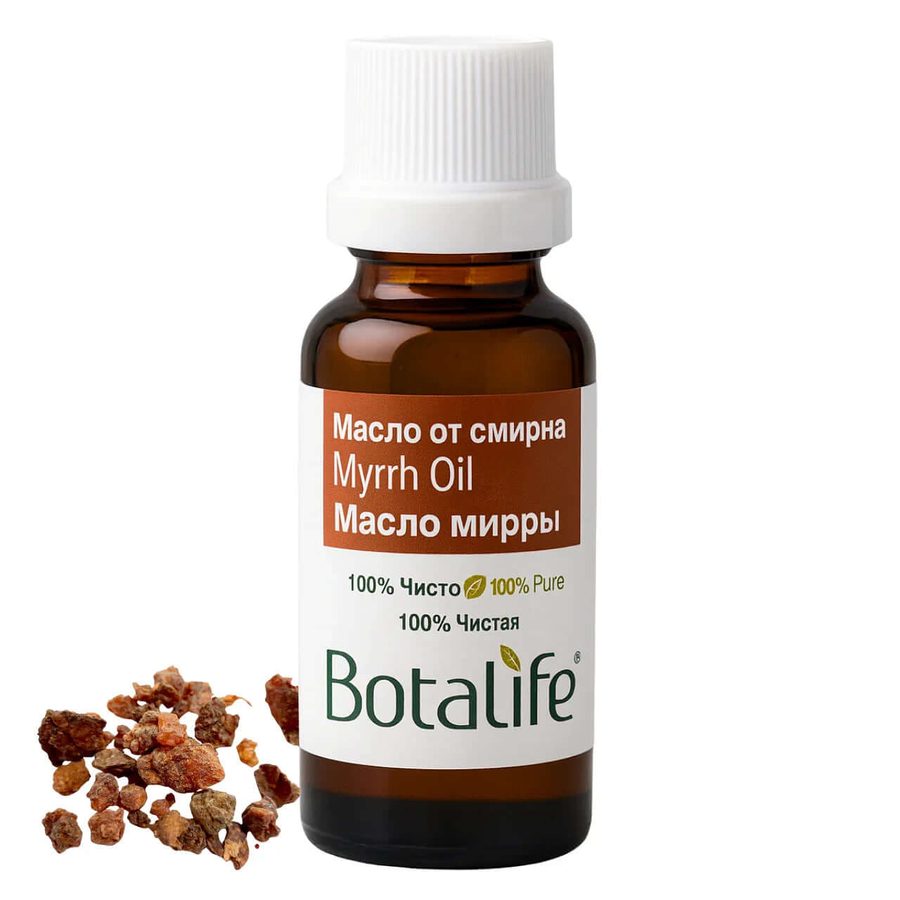
Myrrh essential oil, 5 ml
20.80 €
20.80 €
100% pure myrrh essential oil
/Commiphora myrrha/
Produced by steam distillation.
Internally: 2 drops a day, mixed with 1 tsp of coconut oil or honey and dissolved in 1/2 cup of warm water.
Externally: for aromatherapy – 5 drops; massage – diluted in a carrier oil at a ratio of 1:2; inhalation – 1 drop; compresses, gargles, rinses, face and hair masks.
Caution!This product is not a medicine! It should not be used as a substitute for a varied and balanced diet! Do not exceed the recommended daily dose! Not to be taken internally by pregnant women or young children! Myrrh oil may lower blood sugar, so it is not recommended for people with diabetes or other blood sugar conditions. Because it interacts with blood glucose, it is also not recommended for people undergoing surgery, and it is best to stop using it at least two weeks before an operation. Myrrh oil is not recommended for people taking anticoagulants such as warfarin, as there may be potential interactions with this medicine.
If taken together with medicinal products, consult a pharmacist!
*The effects, methods of use and dosages apply only to products of this brand, for which Botalife guarantees the concentration, purity, quality and origin of the oils.
1. Antibacterial and antifungal action:Myrrh oil has many therapeutic properties, so add a few drops to a cold compress and apply it directly to any infected or inflamed area for relief. It acts as an antibacterial and antifungal and helps reduce swelling and inflammation. Myrrh oil can help fight certain types of bacteria. For example, in laboratory studies it was effective against S. aureus (staphylococcus) infections. The antibacterial properties of myrrh oil are enhanced when it is used in combination with frankincense oil.
2. Anti-cancer benefits: A laboratory study found that myrrh oil also has potential anti-cancer benefits. The researchers found that it was able to reduce the spread or replication of human cancer cells. They found that myrrh oil suppressed the growth of eight different types of cancer cells, particularly gynaecological ones. It has been shown to be beneficial against skin cancer cells in laboratory studies. To use it this way, apply a few drops a day to the affected area, diluted 1:2 in a carrier oil.
3. Relief for upper respiratory problems: It can be used as an expectorant to relieve the symptoms of coughs and colds.
4. Helps with hypothyroidism:Myrrh oil is a great remedy for hypothyroidism, or an underactive thyroid, in traditional Chinese medicine and Ayurvedic medicine. Apply 2–3 drops diluted in a carrier oil over the thyroid every day to reduce symptoms.
5. Skin health:Myrrh oil can help soothe chapped or flaky skin. It is commonly added to skincare products to help with moisturising and for fragrance. The ancient Egyptians used myrrh oil to prevent ageing and keep the skin healthy.
6. Treatment of ulcers and wounds:Myrrh oil has the power to boost the function of white blood cells, which helps wounds heal. A study published in the Journal of Immunotoxicology found that it reduces the frequency of ulcers and shortens their healing time.
Myrrh oil can help reduce fungal infections such as athlete's foot or ringworm when applied directly to the affected area. It can also be used on minor grazes and wounds to prevent infection.
Myrrh oil can help strengthen the body's cells by acting as an astringent. It is traditionally used to stop bleeding. Because of its astringent effect, it may also help prevent hair loss by strengthening the roots in the scalp.
7. Relaxation:Myrrh oil is often used in aromatherapy for massage. It can also be added to a warm bath or applied directly to the skin.
8. Helps prevent gum disease and mouth infections: Thanks to its anti-inflammatory and antibacterial properties, myrrh oil can help relieve inflammation of the mouth and gums caused by conditions such as gingivitis or mouth ulcers. It can also be used as a mouth rinse to prevent gum disease. It contributes to fresh breath, which is why it is often used as an ingredient in mouthwashes and toothpastes.
Certificate No.: TR-32-К-003617
Packaging: glass bottle with dropper, 5 ml
Storage: in a dark, cool place, out of the reach of children, with the cap tightly closed
Best before: see packaging
Manufacturer: Manolya Dogal ve Aromatik, Turkey
Exclusive importer for Bulgaria: Botalife Bulgaria Ltd.
1. Perfume:
3 drops of frankincense oil
3 drops of myrrh oil
2 drops of sage oil
2 drops of patchouli oil
1 drop of sandalwood oil
1 drop of vetiver oil
2. Body lotion:
20 drops of frankincense oil
20 drops of myrrh oil
10 drops of orange oil
1 teacup of almond oil
3/4 teacup of beeswax
1/4 tsp borax
2 cups of distilled water
Method:
Pour 1 cup of the water into a saucepan and warm it gently, add the beeswax and sweet almond oil to the water and stir carefully.
Dissolve the borax in the remaining 1 cup of water and warm it so that both mixtures reach the same temperature. Check the temperature with a kitchen thermometer.
Now put both mixtures in a blender and blend well until smooth with a creamy foam. Then add all the essential oils and mix well.
3. Powder against sweating and unpleasant odours:
3 tbsp baking soda
3 tbsp starch
15 drops of tea tree oil
15 drops of myrrh oil
10 drops of lavender oil
Inhalation with essential oils
Essential oils used for digestive problems
Essential oil conversion table, calculator and professional tips
4 ways to use essential oils safely internally, with recipes
Diffuser blends for restful sleep
The effects and uses of essential oils on the human body
How to use essential oils at home
9 proven uses of myrrh oil and 8 ways to use it
The vibrations of essential oils – Part 1
The most suitable essential oils for athletes
Top 13 essential and plant oils for clearing parasites from the body
Myrrh is perhaps best known as one of the gifts (along with gold and frankincense) that the three wise men brought to Jesus in the New Testament. Myrrh oil is still used today for various health conditions. Scientists today study it for its powerful antioxidant activity and its potential in treating cancer. It has also been shown to be effective against some types of parasitic infections.
Myrrh comes from a tree called Commiphora myrrha, found in Africa and the Middle East. Myrrh is botanically related to Boswellia and is one of the most widely used essential oils in the world. Myrrh oil has a smoky, sweet or sometimes bitter smell. The word “myrrh” comes from the Arabic word “murr”, meaning “bitter”. Myrrh oil is yellowish-orange in colour with a viscous consistency. It is often used as a base for perfumes and other fragrances. It blends well with citrus oils such as bergamot, grapefruit or lemon, which lighten its aroma.
Two main active compounds are found in myrrh oil, called terpenoids and sesquiterpenes, which have anti-inflammatory and antioxidant effects. Sesquiterpenes also affect our emotional centre in the hypothalamus, helping us stay calm and balanced. Both compounds are being studied for their anti-cancer and antibacterial benefits, as well as other potential therapeutic uses.